
Self Storage Investment in Europe
Overview of CWC’s Self Storage Investment Strategy
Self storage investment in Europe has entered a rapid expansion phase driven by long term lifestyle shifts, supply shortages, and the sector’s proven resilience in mature markets like the United States. Crosswind Capital focuses on high quality storage facility investments in strategically selected German cities where demand significantly outpaces existing provision rates. Our operational model, local partnerships, and disciplined site selection allow investors to participate in the growth of an emerging European self storage market through professionally managed, income producing assets.
SELF STORAGE IN GERMANY
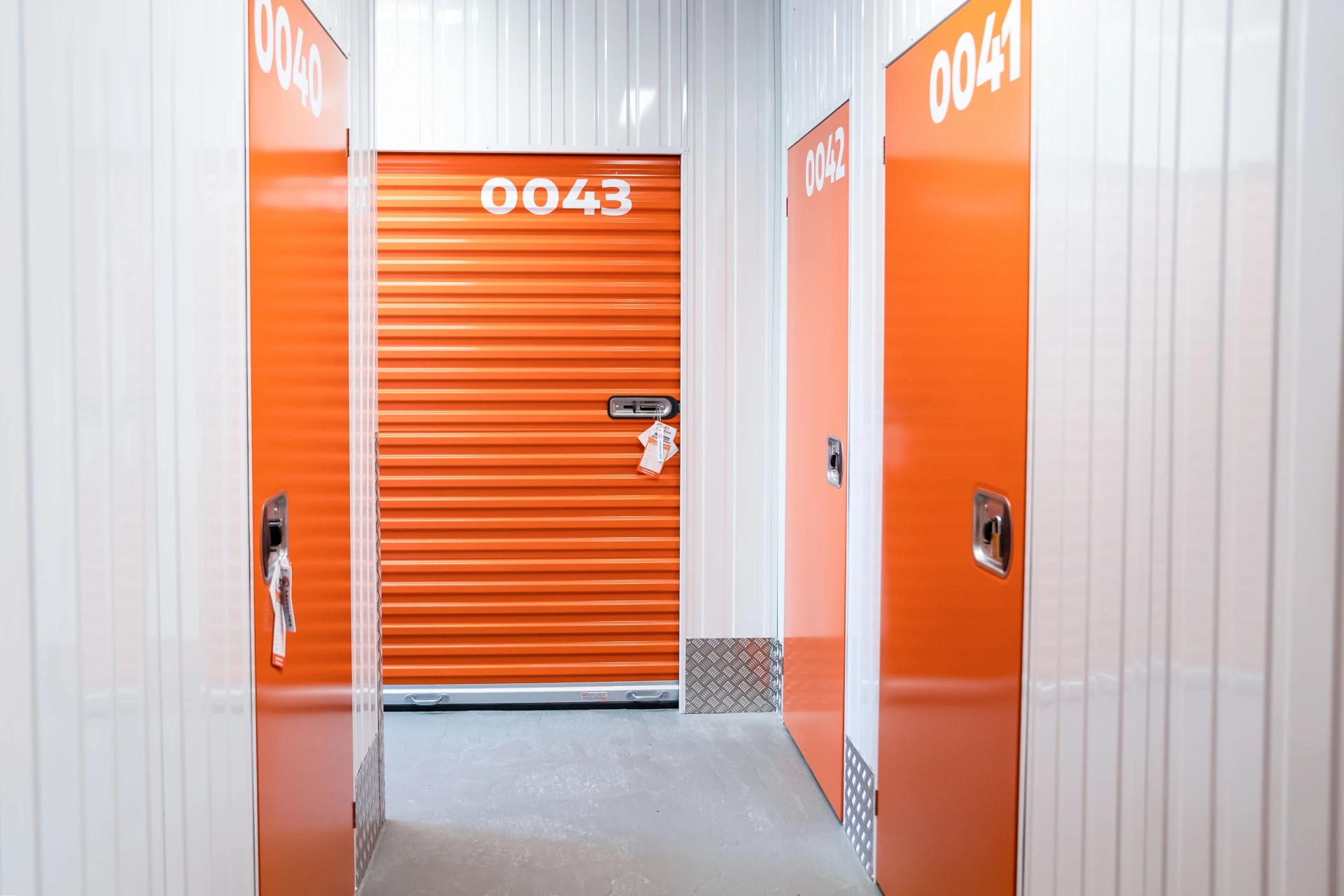
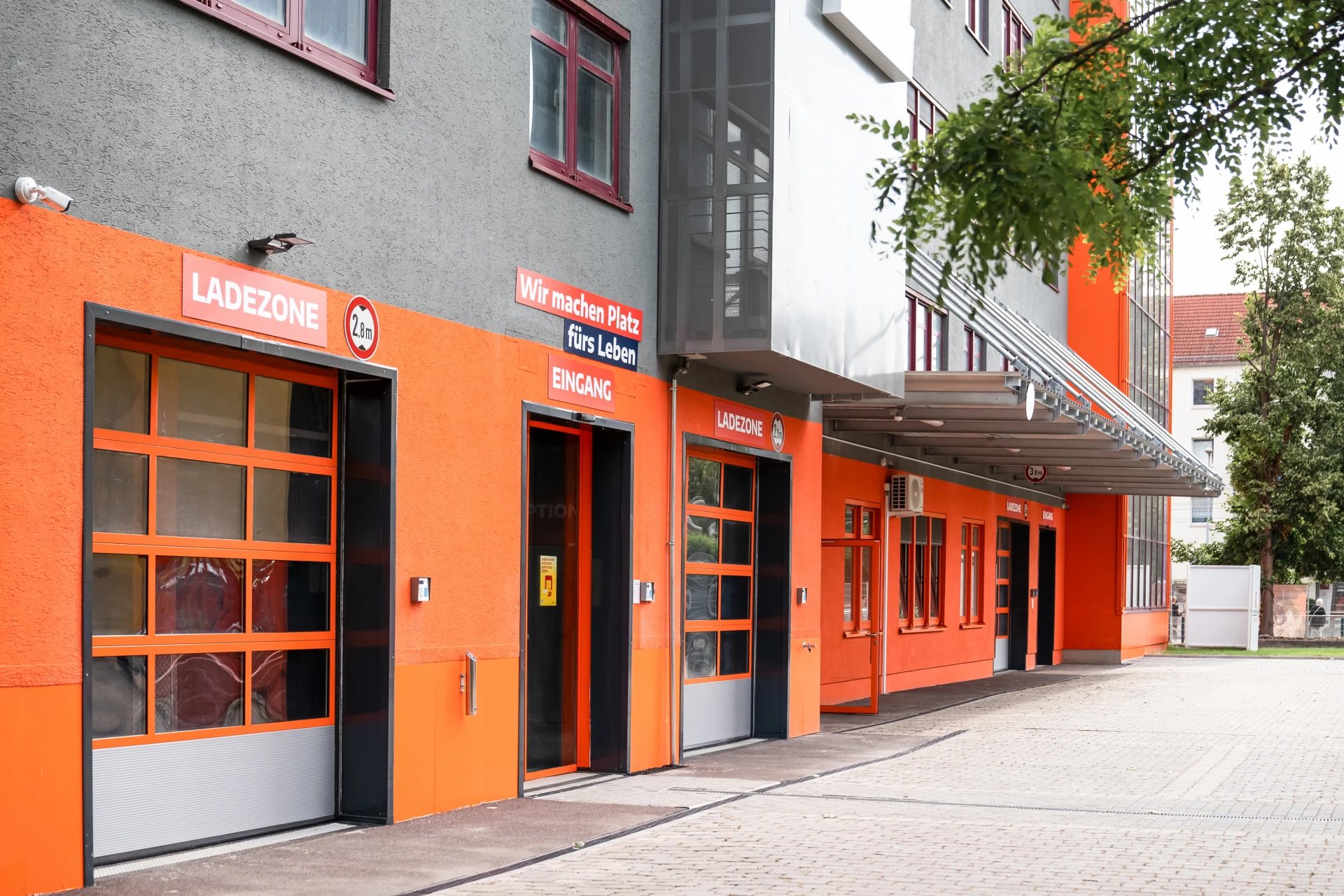
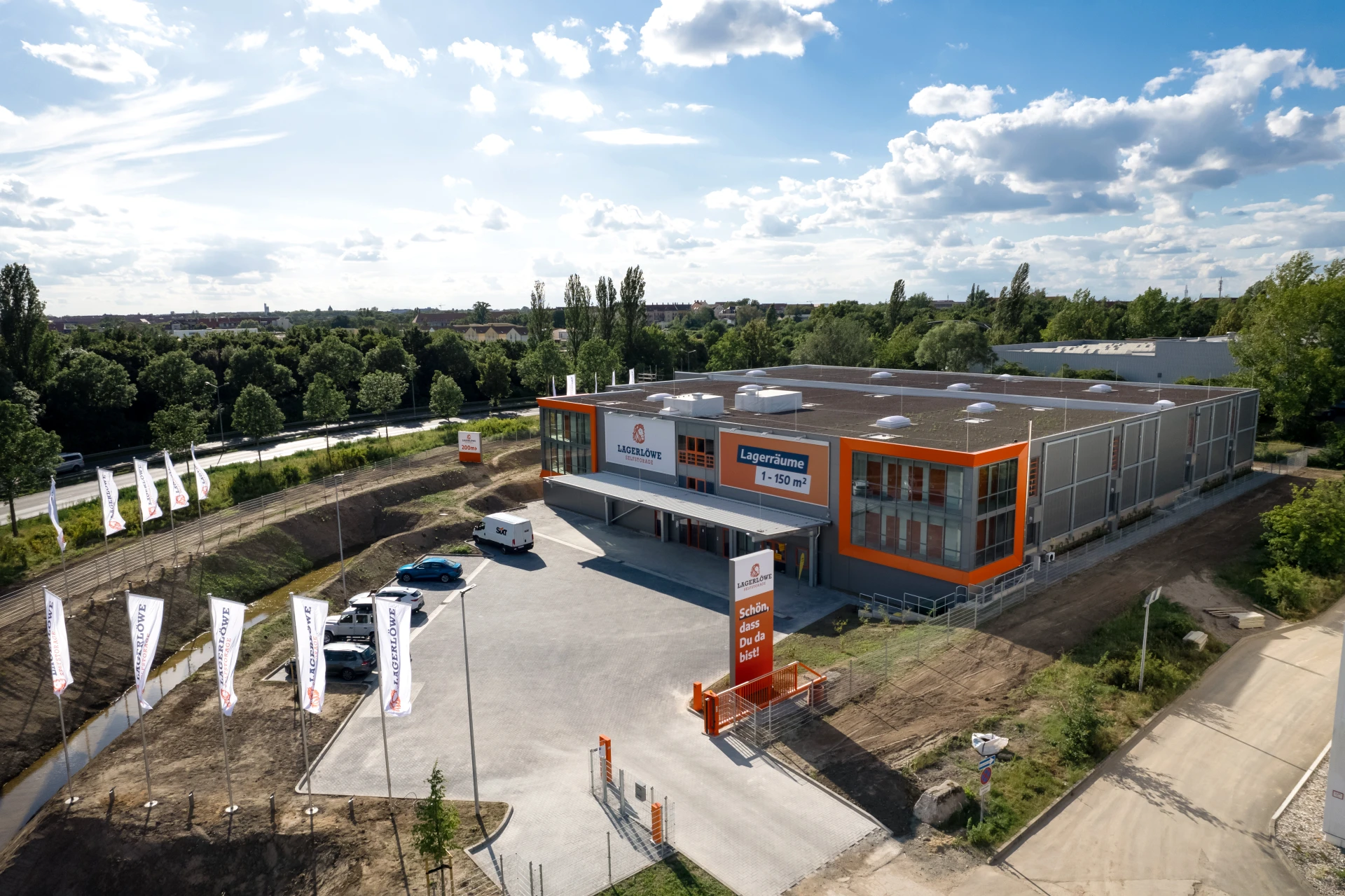
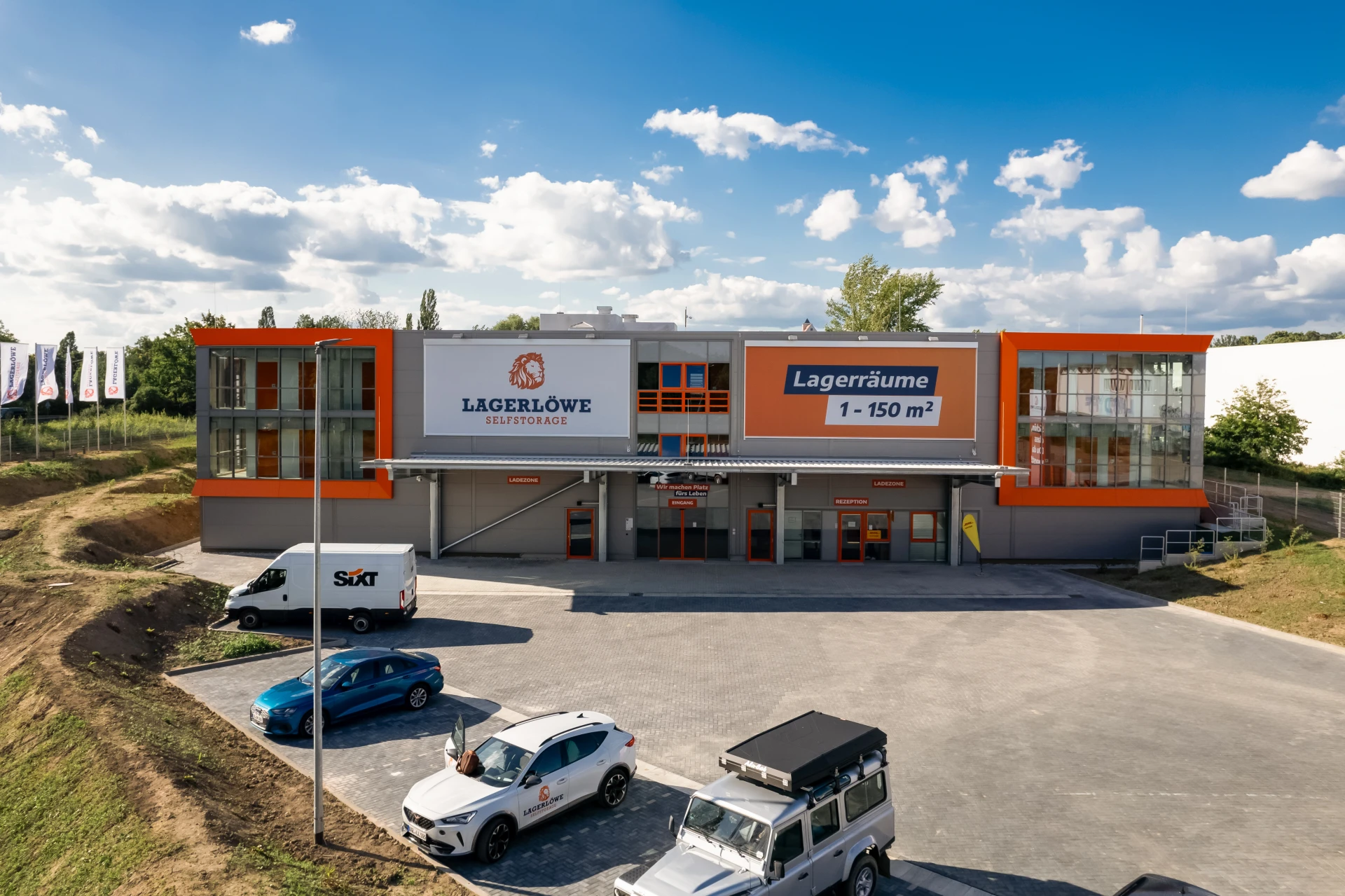
The CWC team has established a successful track record in self-storage investment across Germany by developing and operating one of the top performing regional brands in secondary cities. Through research driven site identification, efficient development execution, and strong operational management, CWC has delivered four prime facilities with consistent occupancy levels and growing revenue performance. With additional projects in the pipeline, the team is now seeking capital partners to accelerate the acquisition and development of future sites across high demand markets.
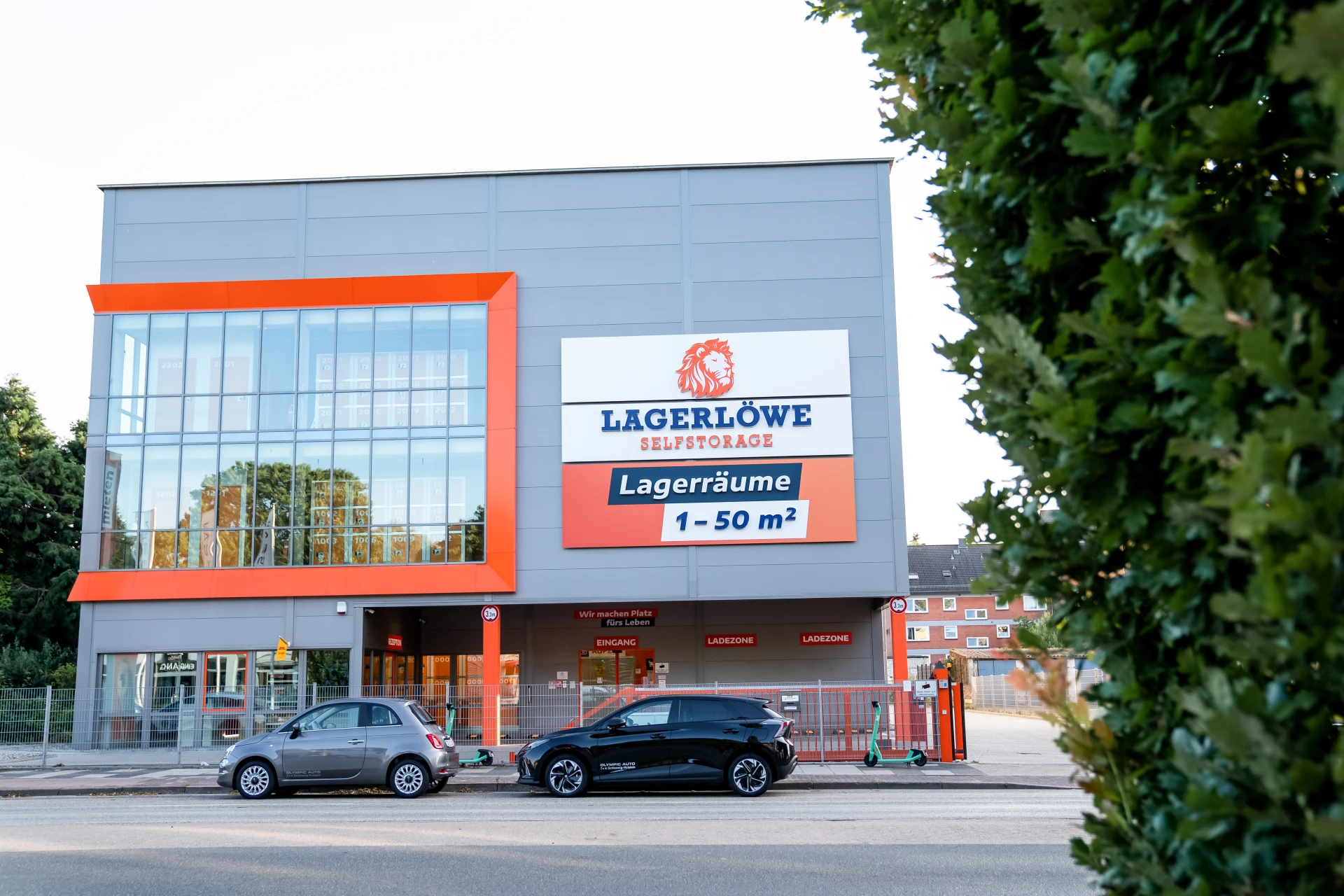
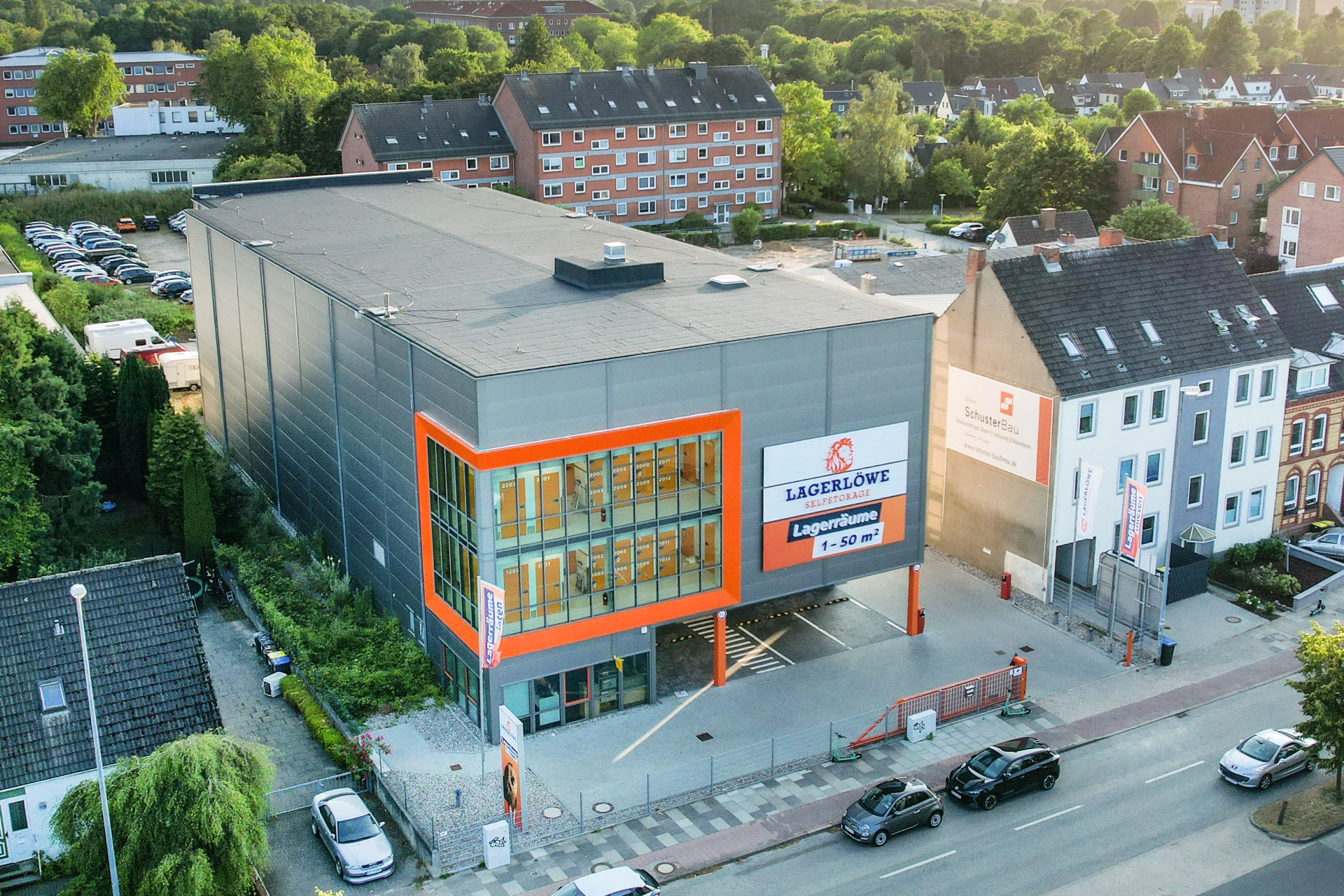

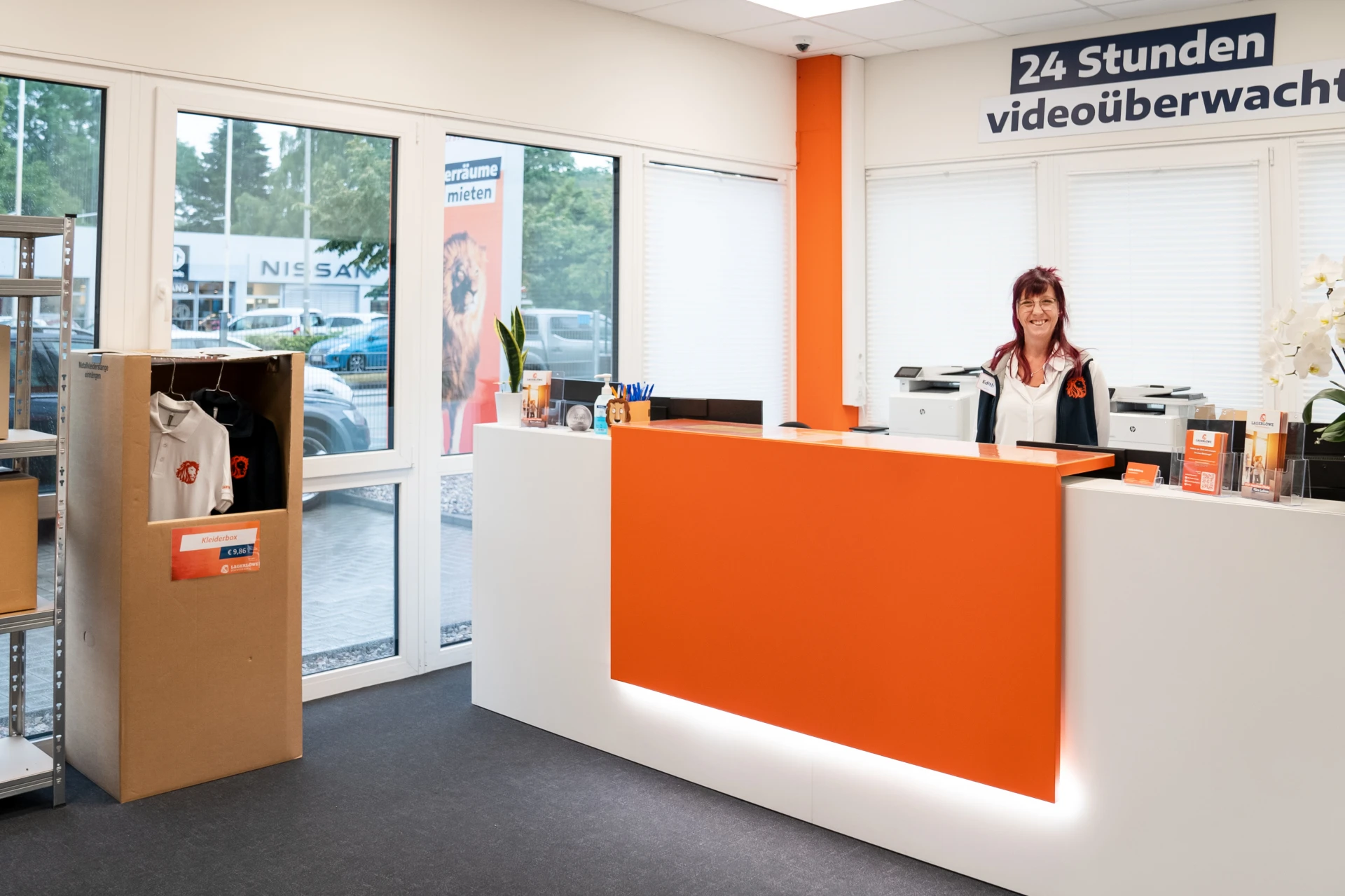

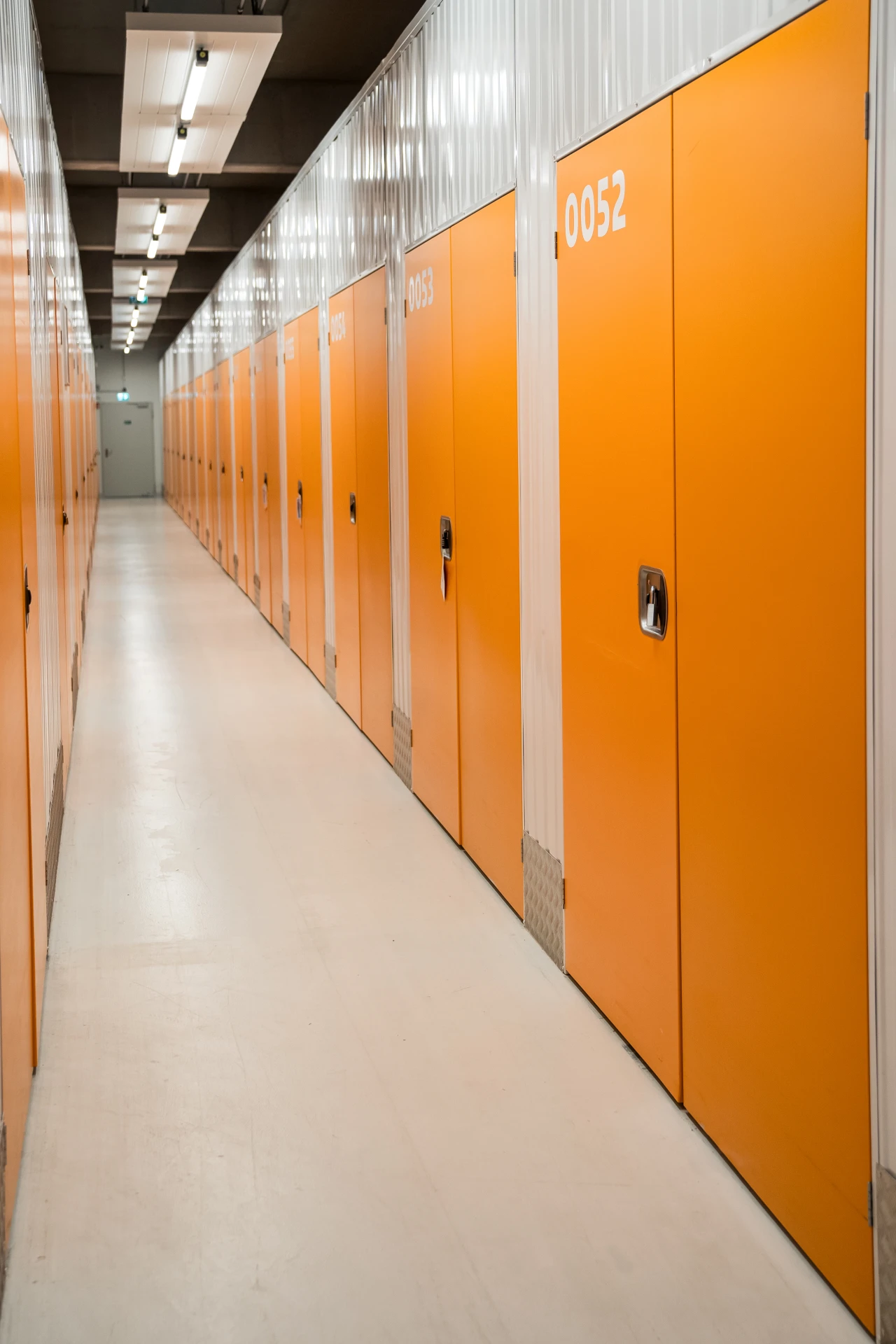
Kiel, Germany

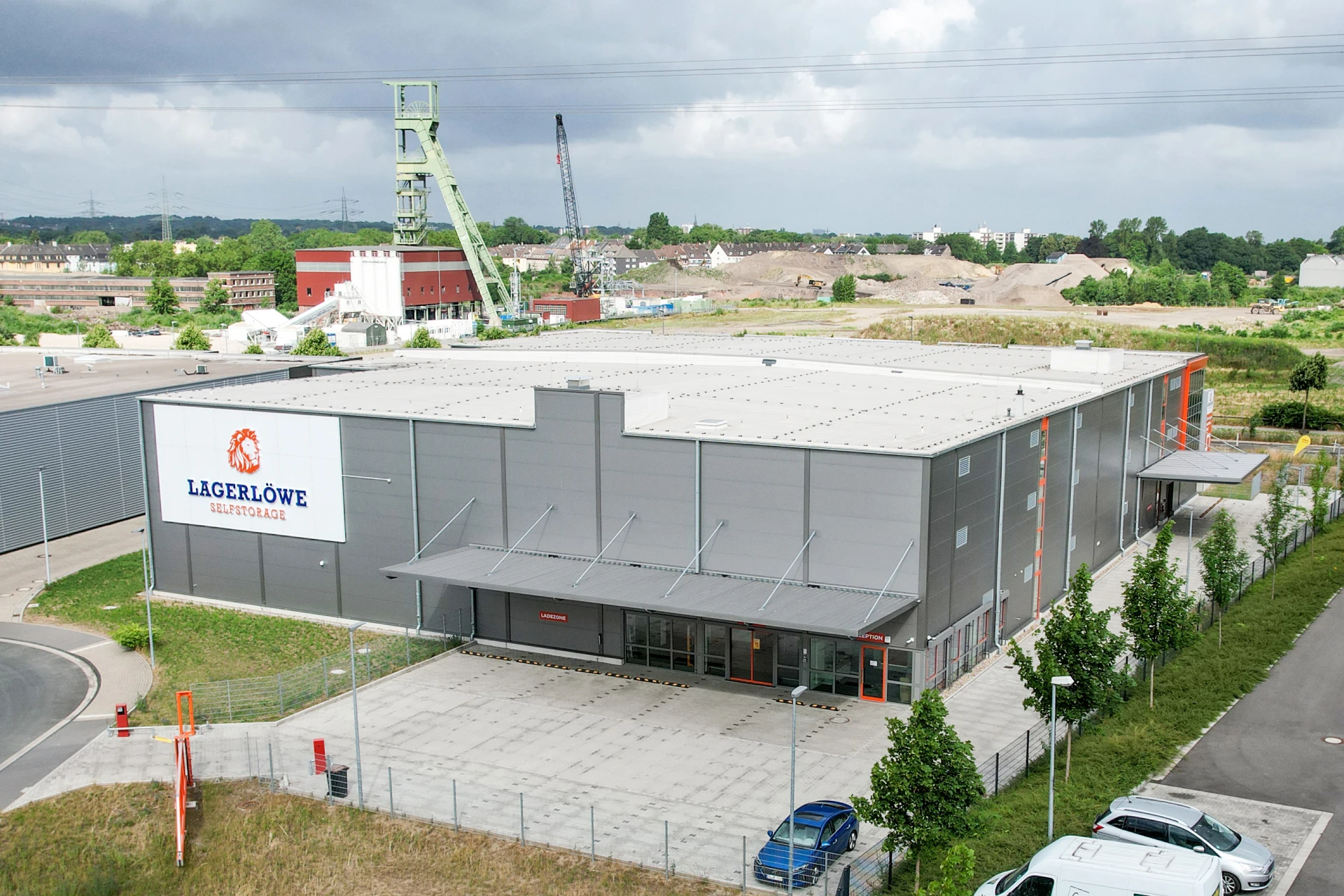

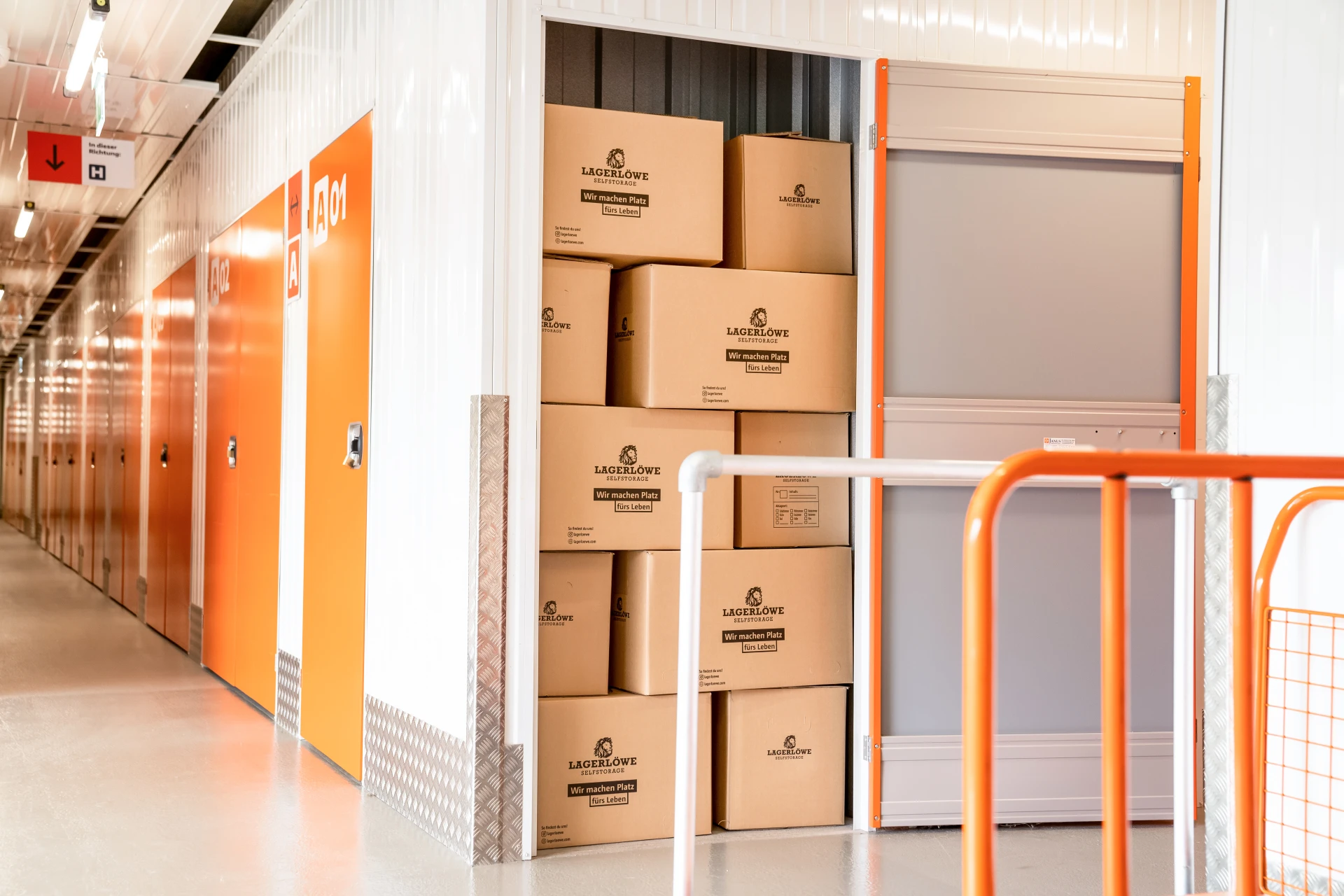

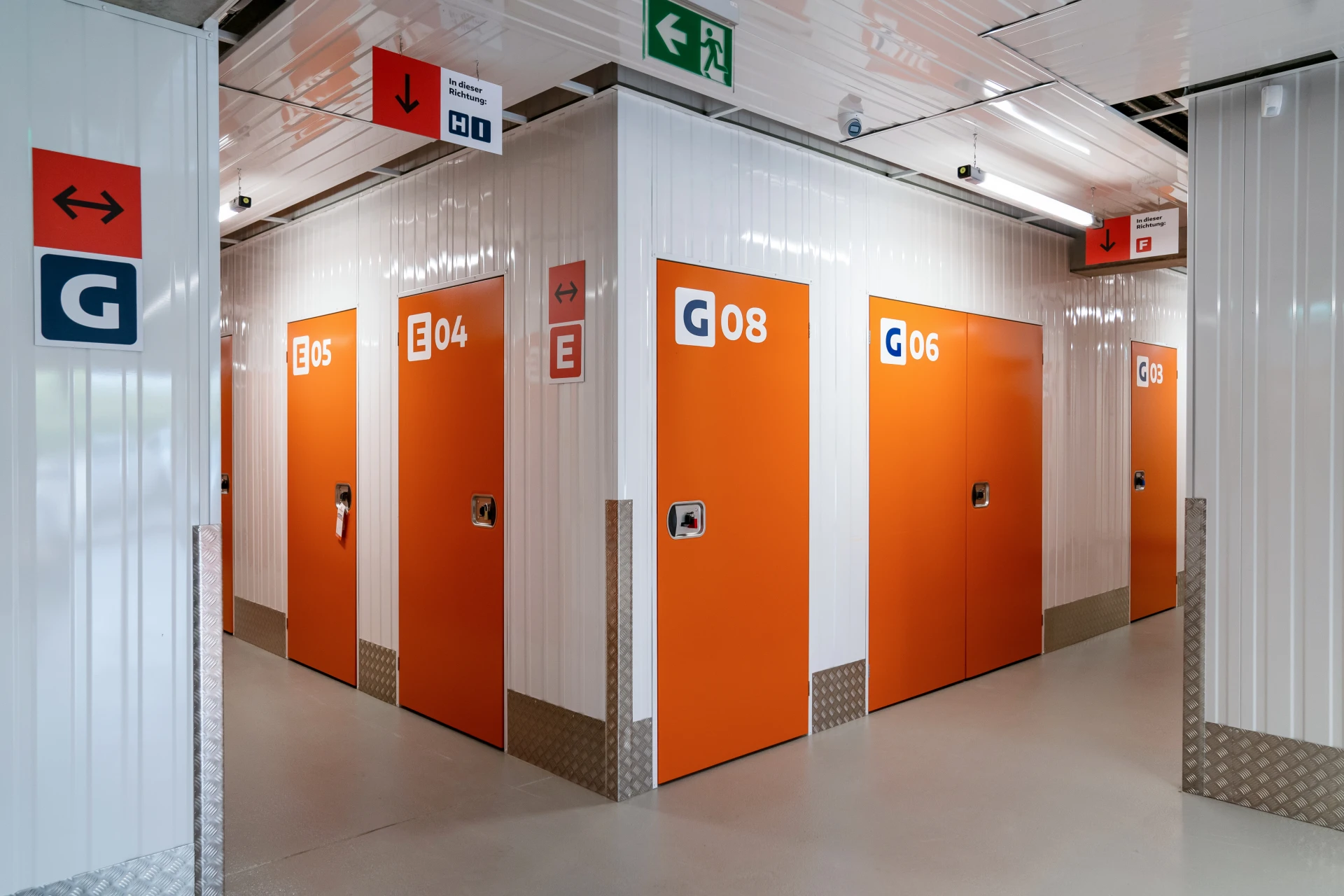
Essen, Germany



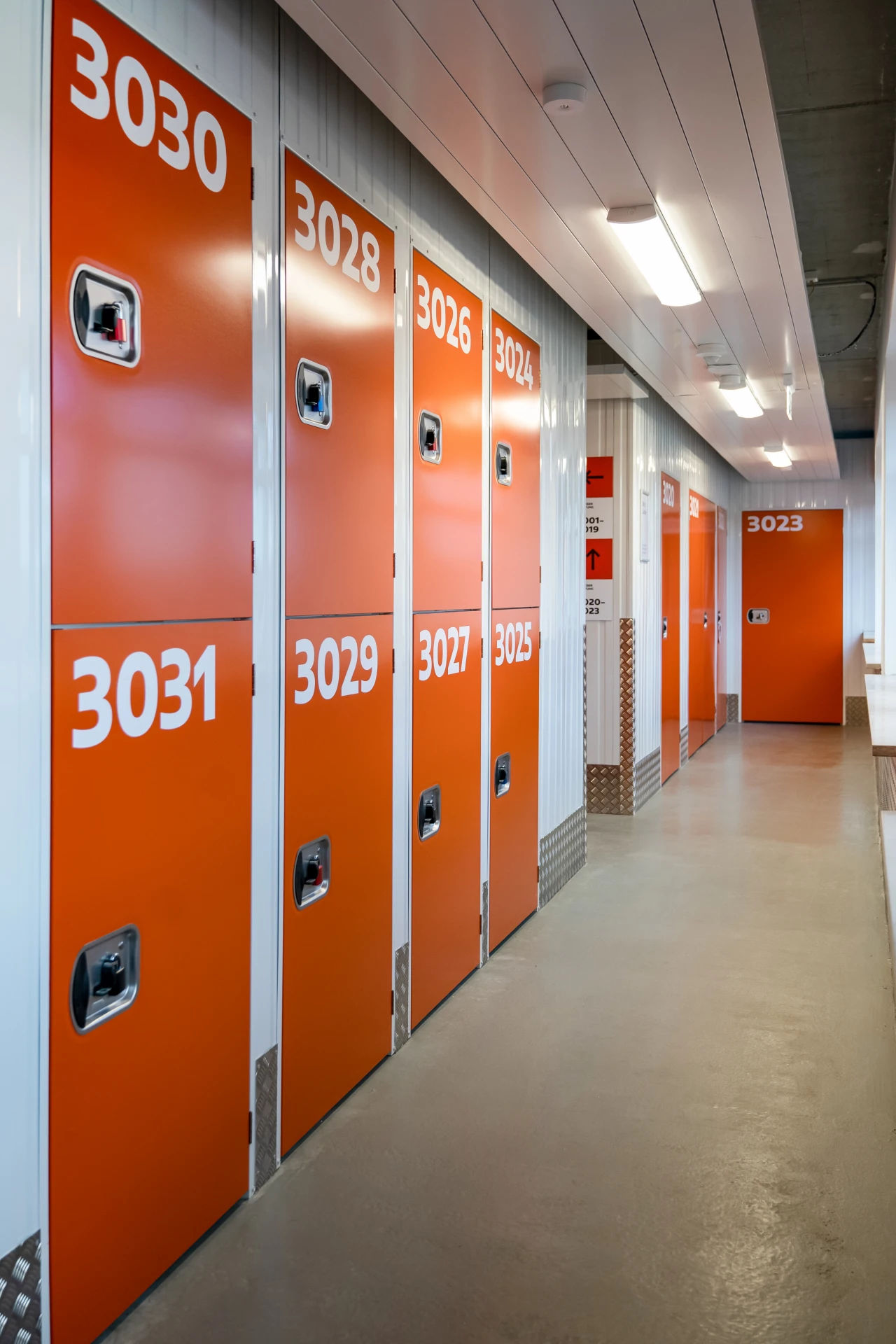


Magdeburg, Germany

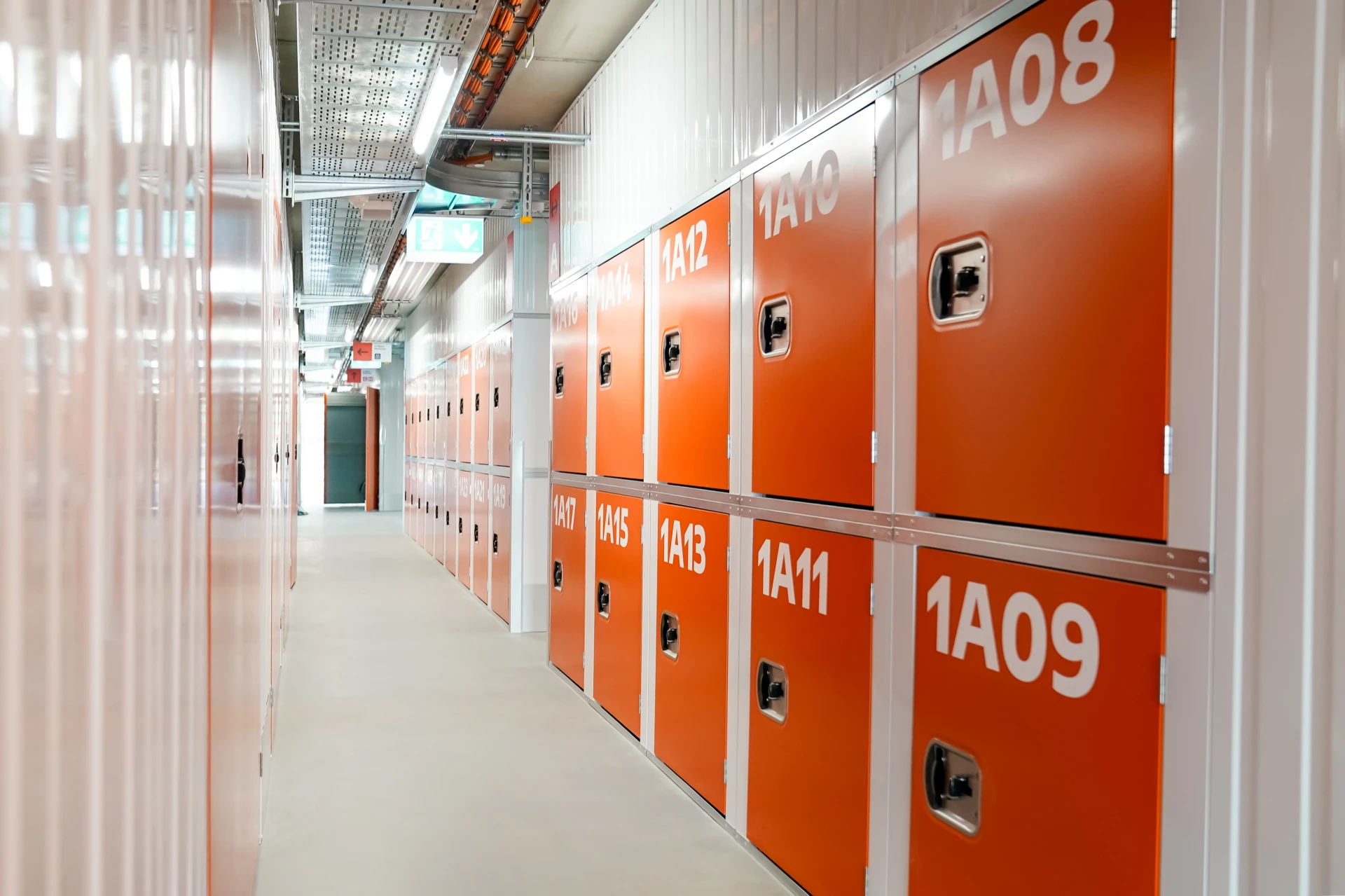
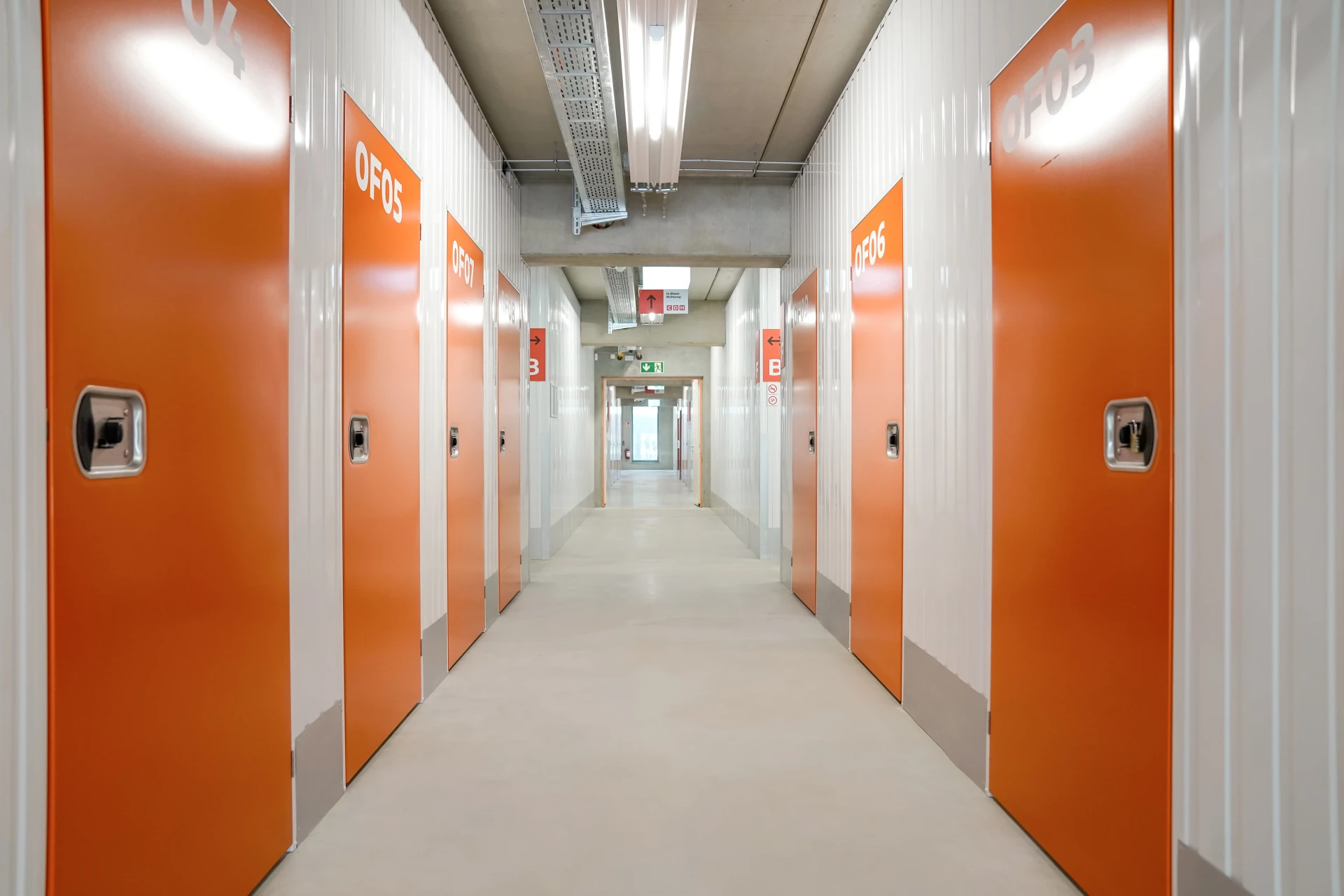
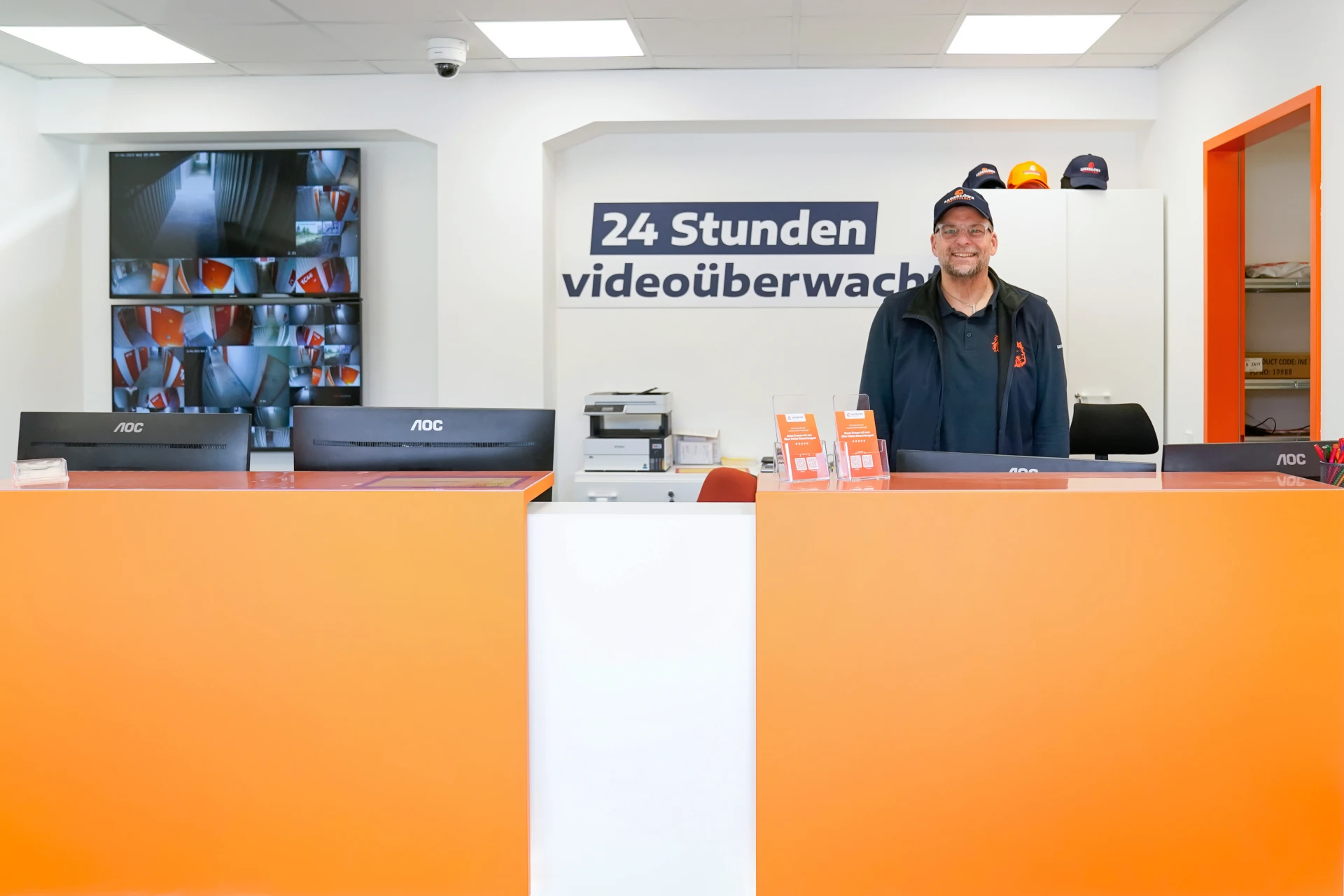
Leipzig, Germany
Why Invest in Self Storage in Germany
The German self-storage market is in an early development stage compared to the United States and the United Kingdom. Provision rates remain significantly lower than other developed markets, leaving meaningful room for long-term expansion. Several structural forces support this growth.
Key investment drivers:
• Limited available stock per one million residents compared to global benchmarks
• Growing demand driven by urbanisation, smaller living spaces, and increased mobility
• Stable occupancy across economic cycles
• Predictable operating costs with efficient scaling
• Flexible pricing power that allows assets to respond effectively to inflation
These factors make German self-storage an attractive entry point for investors seeking durable income and capital appreciation in European real estate.
CWC’s Approach to Storage Facility Investment
CWC identifies self-storage investment opportunities by analysing demographic trends, transport access, local competition, planning constraints, and enduring demand patterns. Our approach emphasizes:
• Acquisition of sites with strong visibility and convenient access
• Scalable layouts that maximise net rentable space
• Robust digital marketing and revenue management systems
• Long term operational consistency supported by experienced on site teams
This model allows each facility to reach stabilisation quickly while maintaining strong occupancy and revenue growth.
European Self Storage Investment Landscape
Investors seeking exposure to an operational real estate investment such as self-storage investment in Europe benefit from a market that is still far from saturation. Many countries, including Germany, Italy, France, and Spain, have provision rates well below global norms. CWC focuses on Germany due to its population density, restrained development pipeline, and sustained customer demand across both residential and business users.
CWC’s facilities demonstrate how professionally executed assets can scale into national or regional platforms that deliver stable yields and consistent operational performance.
Future Investment Opportunities
CWC is preparing a targeted expansion strategy focused on acquiring and developing additional storage facilities in German cities where market fundamentals remain compelling. Our upcoming pipeline includes both ground-up developments and conversions of existing buildings suited for storage use. Investors gain access to a growing portfolio designed to scale into a high-performance European self-storage platform.
CWC welcomes discussions with institutional investors, family offices, and global capital partners seeking exposure to alternative real estate investments supported by predictable cash flow and lasting market growth.
Self-Storage in Europe
Why is self-storage an attractive asset class in continental Europe, and what is driving demand?
European self-storage investment is underpinned by demand drivers that are largely independent of cyclical economic conditions. Demand is fuelled by the growth of crowded cities where living spaces are increasingly small and residents lack sufficient room for their belongings. This pressure is compounded by frequent life transitions such as moving, downsizing, or changing family structures that require temporary or long-term storage solutions. Additionally, small businesses are seeking flexible logistics spaces to manage inventory without the burden of traditional long-term leases. These shifting lifestyle and professional habits combine to create a significant and steady need for adaptable space. Customers typically sign up for short-term flexibility but remain an average of two years. That combination of high-turnover pricing power and durable occupancy underpins the income profile of a well-located, well-managed facility. It is also what makes self-storage investment in Europe compelling as an alternative real estate investment rather than simply as a property trade.
Where do Germany, Portugal, and Austria sit in the European self-storage maturity curve, and why does that matter for investors?
The self-storage maturity curve is measured most directly by supply per capita. Germany currently sits at approximately 24,500 sq m of total floorspace per million population, compared to the UK at approximately 83,394 sq m and the US at many multiples of both. Austria is somewhat ahead of Germany. Portugal remains at a far earlier stage of both supply and institutional awareness. For those evaluating self-storage investment opportunities in Europe, markets at this stage of development offer a combination of genuine demand growth, limited institutional competition, and the ability to establish a brand and market position before the sector is repriced by large-scale capital entry – which is already occurring in Germany’s major cities, and indeed across Europe as the industry expands.
How does Crosswind identify and evaluate sites, and what determines whether a location will perform?
Storage facility investment is acutely location-sensitive in a way that differs from most other real estate categories. Visibility and accessibility from high-traffic arterial routes are primary drivers of unprompted demand; catchment density and the demographic profile within a defined radius determine addressable market size. Crosswind’s evaluation framework incorporates net lettable area targets of approximately 5,000 sq m, population density and income data, competitive mapping, and zoning compliance – the latter a material planning consideration in Germany where commercial use conversion requires specific permit conditions. Sites that satisfy all criteria are then assessed on conversion versus new-build economics before commitment.
The approach differs for urban micro-storage, where the evaluation criteria shifts materially. In dense city-centre locations where large-format footprints are not available, Crosswind assesses smaller sites on the basis of pedestrian footfall and car traffic and proximity to high-density residential and commercial occupiers. Unit economics, access infrastructure, and digital visibility replace the arterial road and catchment criteria that govern standard-format site selection.
How does technology shape the way Crosswind operates its self-storage facilities, and what is micro storage?
Operational real estate investment in self-storage has been transformed by technology in ways that directly affect unit economics. Remote management capability, automated access systems, and dynamic pricing tools mean that a well-configured facility can operate with minimal on-site staffing – reducing the fixed cost base while maintaining a consistent customer experience. For investors, this matters because it compresses the gap between gross and net income at the asset level and supports scalability across a portfolio without a linear increase in headcount. For customers this matters because it creates a seamless and frictionless experience, increase the chances of repeat business over time.
Micro storage extends this model further. Rather than large-format facilities requiring physical reception and staffing infrastructure, micro storage units are compact, fully digital and automated, and designed to operate with no human presence on site. Hassle free customer interaction (from booking and access to billing and termination) is handled entirely through technology. Crosswind is actively pursuing this format in Portugal while its existing platform in Germany continues to enjoy its relevance to urban catchments where space constraints limit large-format development but demand for flexible storage remains strong. The format is at an early stage institutionally across continental Europe, which is consistent with Crosswind’s broader approach of entering operational real estate investment opportunities ahead of large-scale capital concentration.
What operational levers most directly influence asset performance, and how does Crosswind manage them?
For those seeking to invest in self storage, asset-level performance is driven by three variables: occupancy ramp rate, achieved rent per sq m relative to market, and operating cost per site. The best operational performance in these metrics is driven by location, which is why CWC puts significant effort into sourcing and building strong local teams that can consistently access excellent opportunities off market as well as what is publicly available. Facilities can reach operational break-even at around 25 to 30% occupancy (significantly below most property types) which provides a meaningful degree of downside protection during the ramp-up phase. Dynamic pricing, adjusted in response to local occupancy and demand signals, is the most direct lever available to an active operator and is a significant differentiator between institutional and non-institutional operators in nascent markets where competitors are still using static pricing models.
Working in partnership with local management, the Crosswind Capital team established the “Lagerlöwe” brand in Germany, currently the sixth largest self-storage platform in Germany, leveraging a proprietary tech stack together with industry best-practice and institutional real estate.
How has self-storage performed historically through periods of economic stress, and what does that mean for portfolio construction?
Investing in European real estate through operational asset classes has attracted growing institutional interest, and self-storage investment in Europe is one of the clearest illustrations of why. Economic downturns generate the precise life circumstances that drive storage use: household downsizing, forced relocations, business contraction, and deferred residential moves. Approximately half of surveyed storage users cite space constraints driven by housing decisions as their primary reason for renting. That driver intensifies rather than abates when housing market activity slows. The asset class is not fully immune to economic pressure, but demand tends to hold or grow through periods when discretionary real estate categories contract – a resilience characteristic that is directly relevant to portfolio construction.
For stabilised assets, self-storage typically trades at cap rates of 5% to 6% (broadly in line with observed European market transactions), depending on location and trading performance, reflecting both the durability of income and the ability to grow returns across a platform. Key European listed players (Shurgard, Big Yellow and Safestore) all have long term average valuations >20x EV/EBITDA and when these valuations have fallen, for example during the GFC, these companies all recovered very quickly and maintained revenue growth throughout. In fragmented markets such as Germany, a privately held portfolio of as few as ten sites can attract a meaningful platform premium as larger operators consolidate – a dynamic that informs both Crosswind’s build strategy and its exit planning.